
- TECHNOLOGY
What is Curran®?
Curran® exhibits unique properties that, when added to other materials, improve performance, enhance sustainability and create value.
What is Curran®?
Curran® exhibits unique properties that, when added to other materials, improve performance, enhance sustainability and create value.
- TECHNOLOGY
What is Curran®?
- TECHNOLOGY
We are a team of scientists and business leaders dedicated to building a portfolio of sustainable materials to create material change. We are Scottish-based and have operations in the U.S.A.
- TECHNOLOGY
What is Curran?
Curran® improves performance, enhances sustainability and creates value.
- TECHNOLOGY
What is Curran?
Curran® improves performance, enhances sustainability and creates value.
- PRODUCTS
Curran® improves performance, enhances sustainability and creates value.
What is Curran?
- TECHNOLOGY
What is Curran?
Curran® improves performance, enhances sustainability and creates value.
- TECHNOLOGY
What is Curran?
Curran® improves performance, enhances sustainability and creates value.
Strength
Retains the inherent strength of cellulose structures in the cell wall.
Sustainable by design
Sourced from nature. Engineered for high-performance applications.
Shape Advantage
Platelet shape provides strength in multiple directions unlike typical one-dimension fibres.
Processability
Micron-sized format enables easy hydration, handling, mixing and processing.
Biomimetic by nature. Engineered for innovation.
Curran®
Micron-sized. Naturally Strong.

Curran®
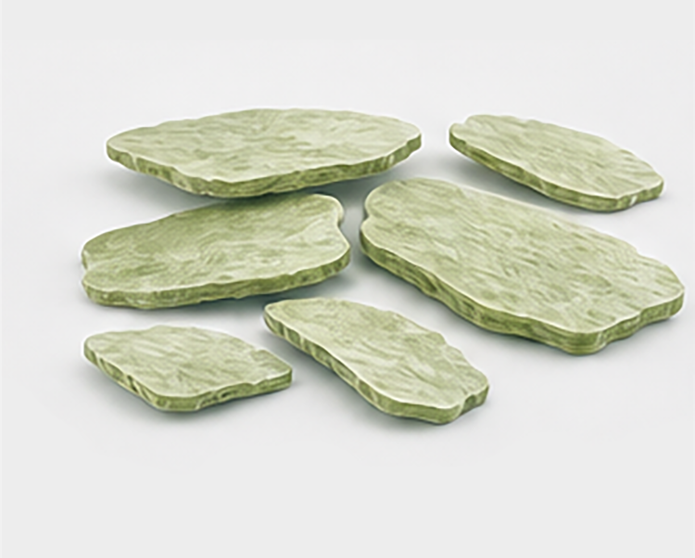
MICRON-SIZED PLATELETS
- Easy to Handle
- Simple to Process
- Unlocks Performance in Practical Ways
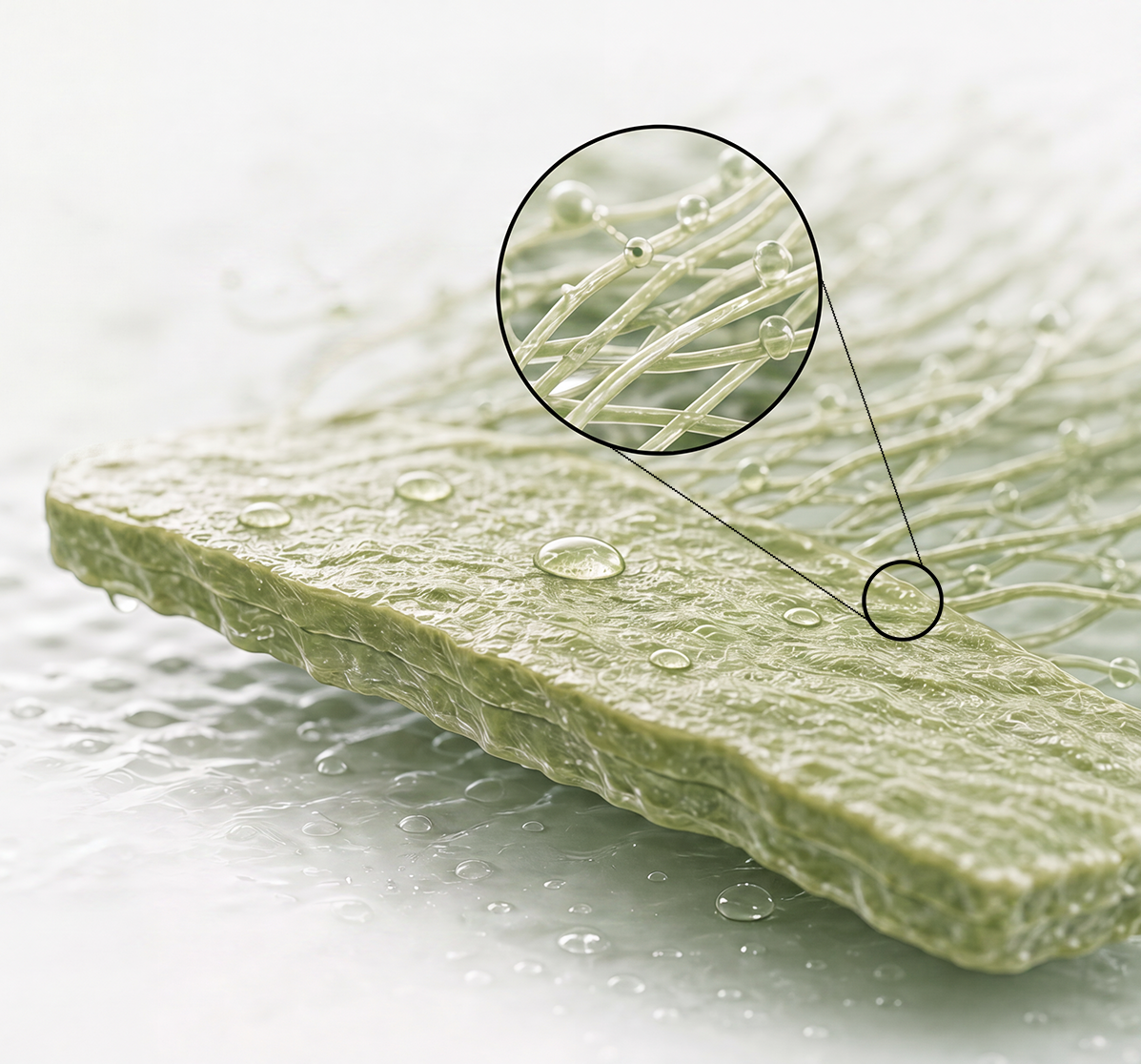
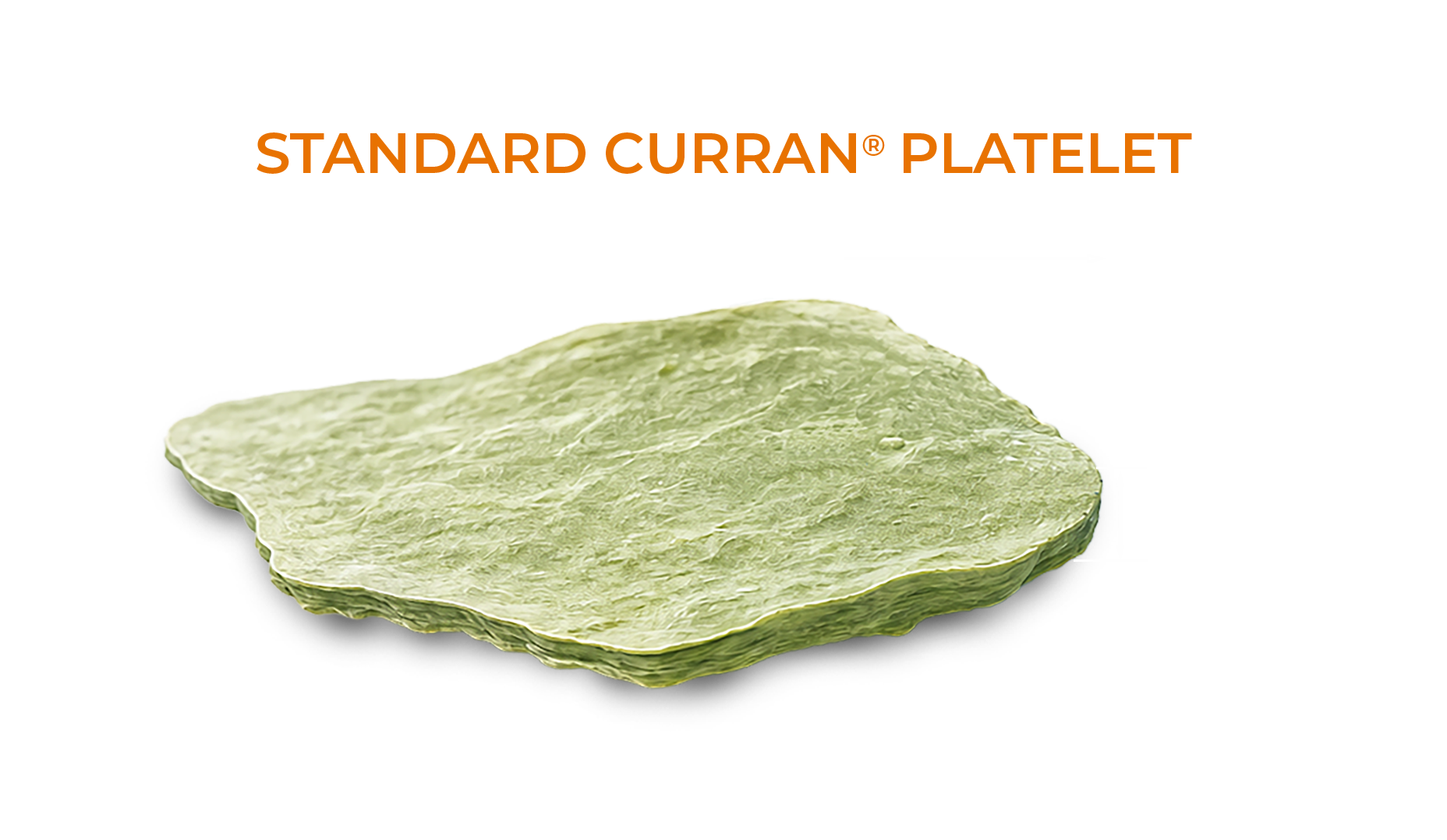
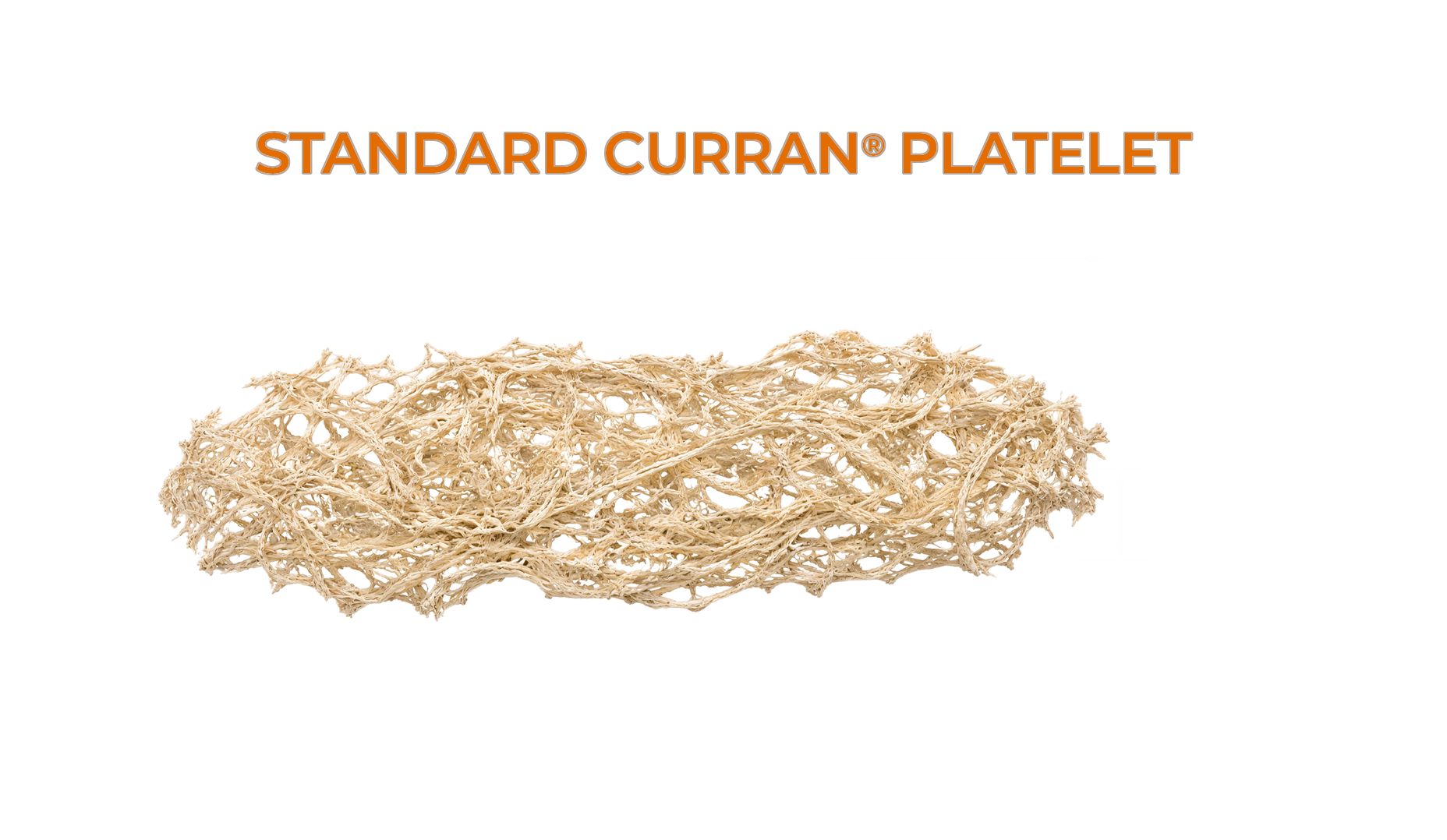
Extremely thin Micron-sized platelets embedded in native scaffold of cell wall.

Properties of Curran®
Curran® is inherently water-compatible and is designed for integration into water-based systems. The end of each platelet expose active hydroxyl (OH) groups, resulting in high water-binding capacity and multifunctional performance.
- Emulsification capability
- Particle suspension
- pH stability (range 2–12)
- Shear-thinning rheology modification
- Thixotropic behavior
- Compatibility with other rheology modifiers
- Strength

CURRAN® PLATELET

Curran® Forms a Film
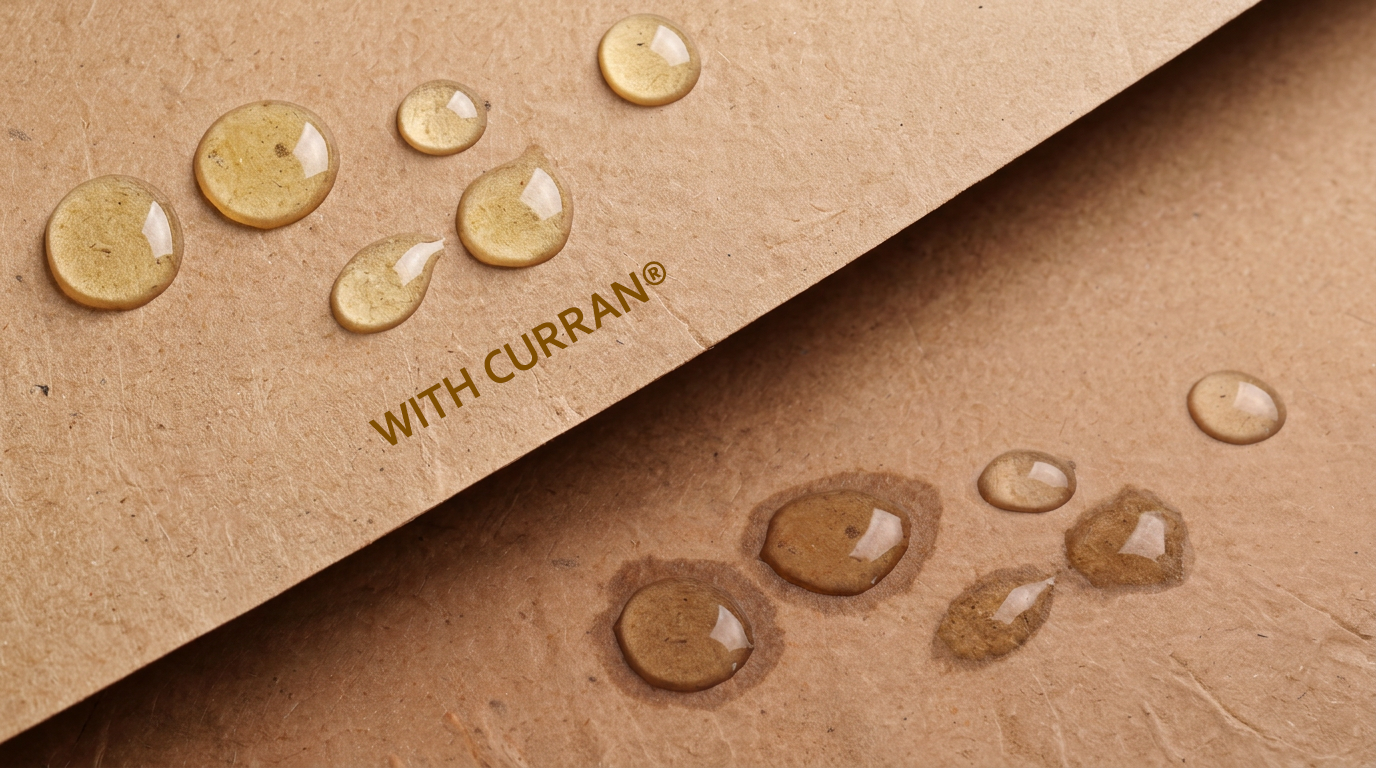
Importantly, Curran® forms a film on its own when the product is dried. The characteristics of this film are multi-oriented strength and toughness, smoothness and both grease and oxygen barrier. Curran® films can be both laminated one on top of the other or onto other substrates such as paper or molded fibre.
Curran® films may be formed on substrates such as paper or molded fiber, supporting packaging and coating applications.
Curran® vs. Wood-Based MFC
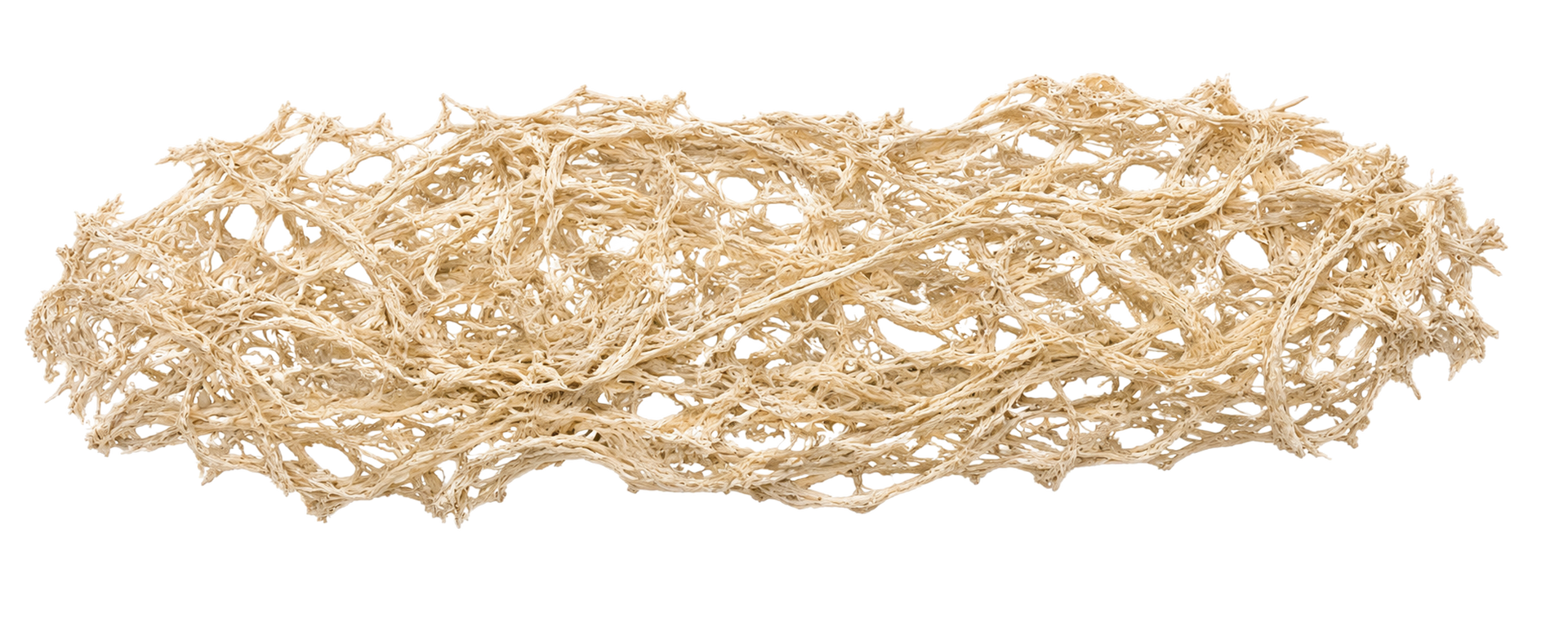
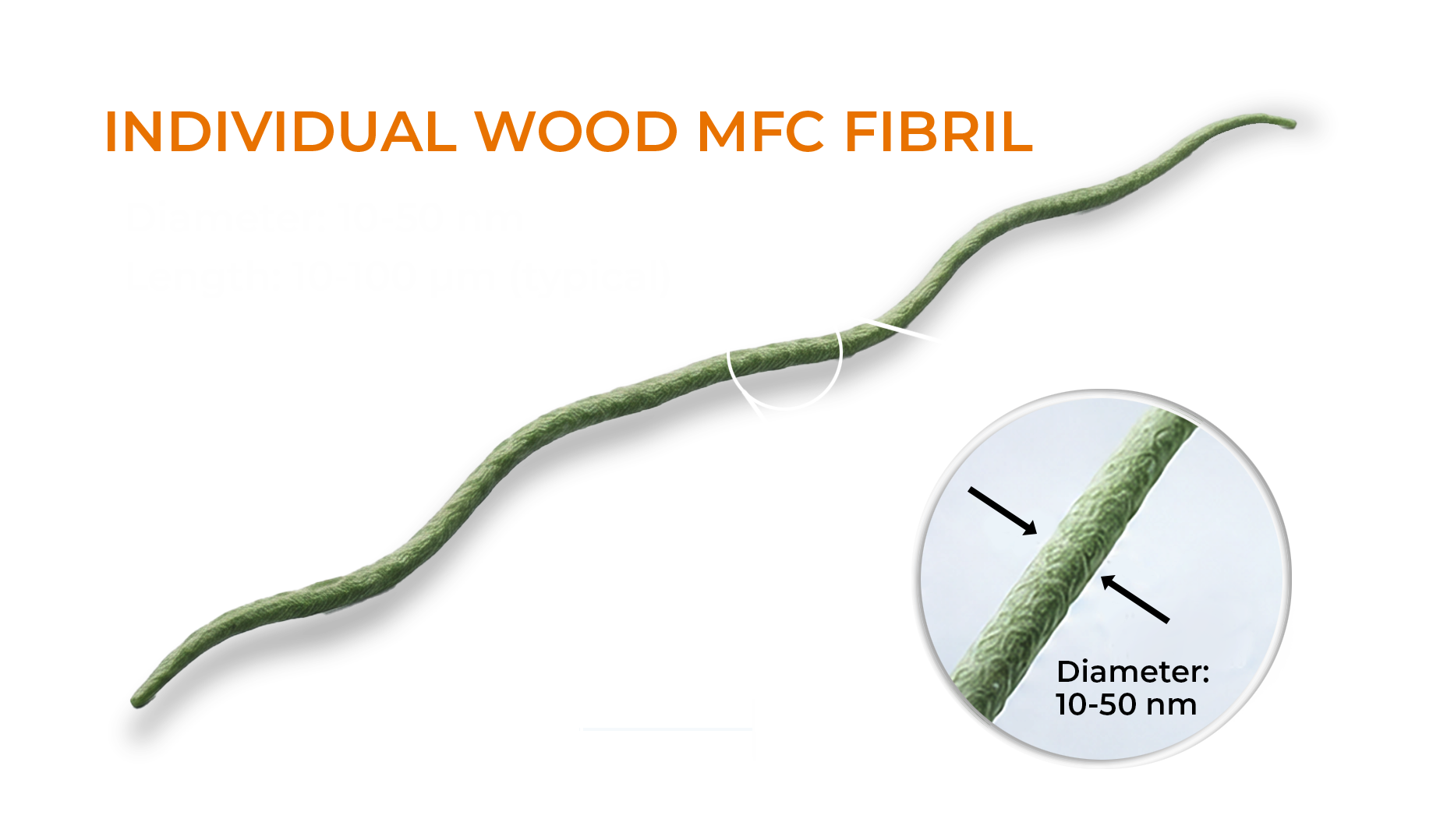
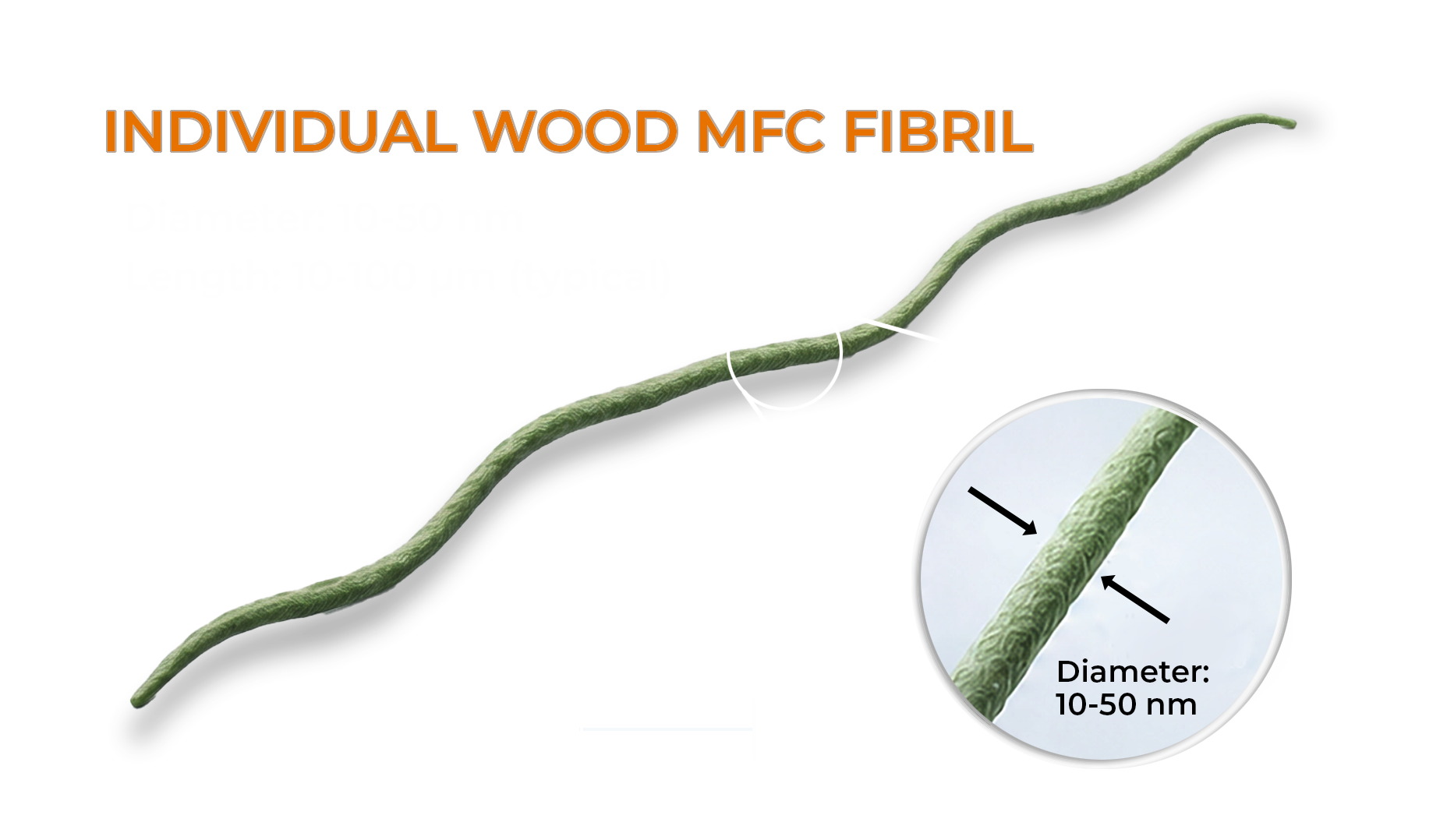
Because Curran® is produced from root vegetable parenchyma cell walls, its platelet structure retains embedded fibrils within a native scaffold.
This allows Curran® to deliver many of the performance characteristics associated with wood-based MFC—such as strength, rheology control, and high aspect ratio—while mitigating common processing challenges.
Compared to Wood-based MFC, Curran® Offers:
- Broader product variability
- Reduced tendency toward irreversible gelling
- Resistance to hornification during drying
- Improved drainage behaviour
- Unique
rehydration capability
after drying
Sustainability & Safety Profile Comparison:
Curran® differs fundamentally from conventional wood-derived micro fibrillated cellulose in morphology, feedstock origin, and processing behaviour.

- Derived from root vegetable waste streams
- Secondary by-product feedstock
- No competition with food-growing land
- Mild, benign chemistry
- Micron-scale platelets

- Derived from trees
- Primary fibre source
- Land-use competition
- More intensive chemical processing
- Primarily nano-scale fibres
Sustainability & Safety Profile Comparison:
Curran® differs fundamentally from conventional wood-derived micro fibrillated cellulose in morphology, feedstock origin, and processing behaviour.

- Derived from root vegetable waste streams
- Secondary by-product feedstock
- No competition with food-growing land
- Mild, benign chemistry
- Micron-scale platelets

- Derived from trees
- Primary fibre source
- Land-use competition
- More intensive chemical processing
- Primarily nano-scale fibres
Curran® vs. Wood-Based MFC
Because Curran® is produced from root vegetable parenchyma cell walls, its platelet structure retains embedded fibrils within a native scaffold.
This allows Curran® to deliver many of the performance characteristics associated with wood-based MFC—such as strength, rheology control, and high aspect ratio—while mitigating common processing challenges.
Compared to Wood-based MFC, Curran® Offers:
- Broader product variability
- Reduced tendency toward irreversible gelling
- Resistance to hornification during drying
- Improved drainage behaviour
- Unique
rehydration capability after drying

- Derived from root vegetable waste streams
- Secondary by-product feedstock
- No competition with food-growing land
- Mild, benign chemistry
- Micron-scale platelets
Sustainability & Safety Profile Comparison:
Curran® differs fundamentally from conventional wood-derived micro fibrillated cellulose in morphology, feedstock origin, and processing behaviour.

- Derived from trees
- Primary fibre source
- Land-use competition
- More intensive chemical processing
- Primarily nano-scale fibres
Sustainability & Safety Profile Comparison:
Curran® differs fundamentally from conventional wood-derived micro fibrillated cellulose in morphology, feedstock origin, and processing behaviour.

- Derived from root vegetable waste streams
- Secondary by-product feedstock
- No competition with food-growing land
- Mild, benign chemistry
- Micron-scale platelets

- Derived from trees
- Primary fibre source
- Land-use competition
- More intensive chemical processing
- Primarily nano-scale fibres
How is Curran® Made?
CelluComp has developed an advanced proprietary process for the production of patented Curran®
Curran® is produced using sugar beet pulp generated as a by-product of sugar extraction. After sucrose removal, the remaining pulp provides a cellulose-rich feedstock. This controlled process preserves structural performance while minimizing energy, water, and chemical intensity.
Collection & Preparation
Sugar beet pulp is sourced directly from the sugar processing stream
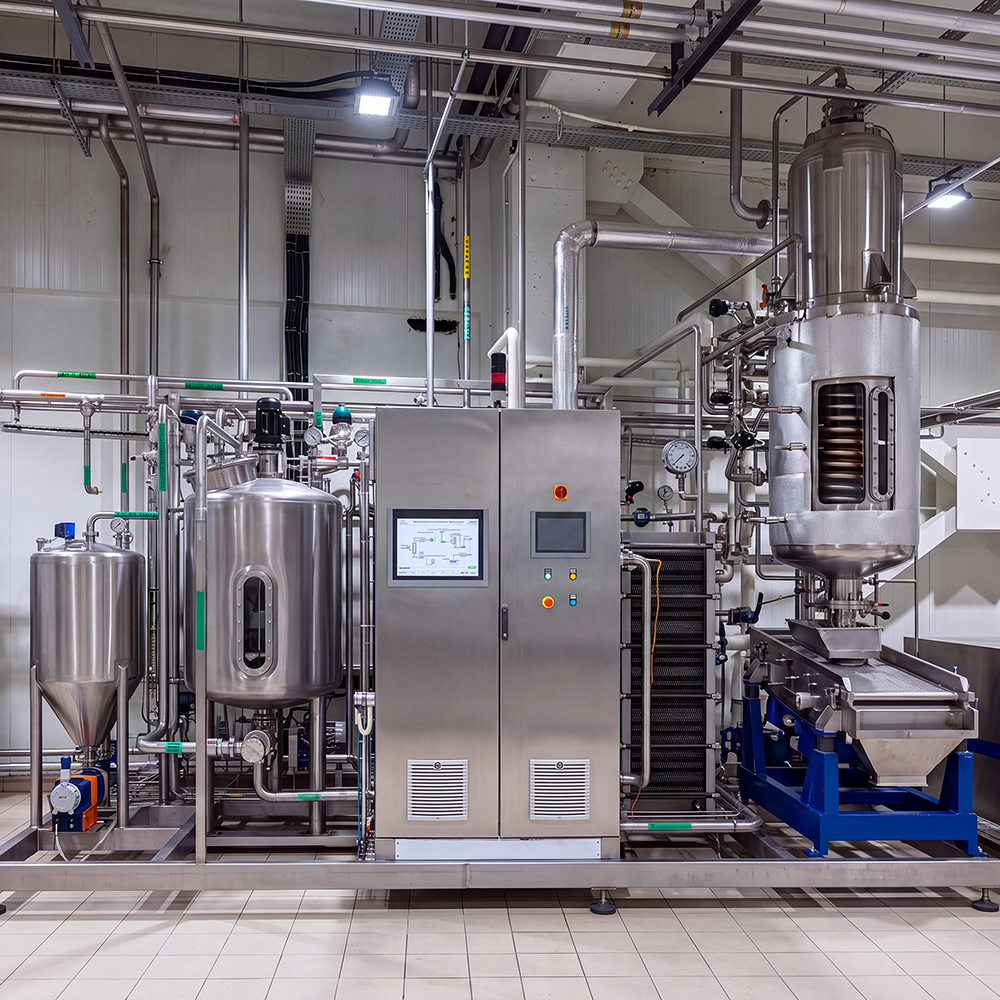
Thermal & Mild Chemical Treatment
The pulp is heated and lightly treated to remove residual soluble sugars, fully neutralize the chemistry, and partially liberate the cell wall matrix
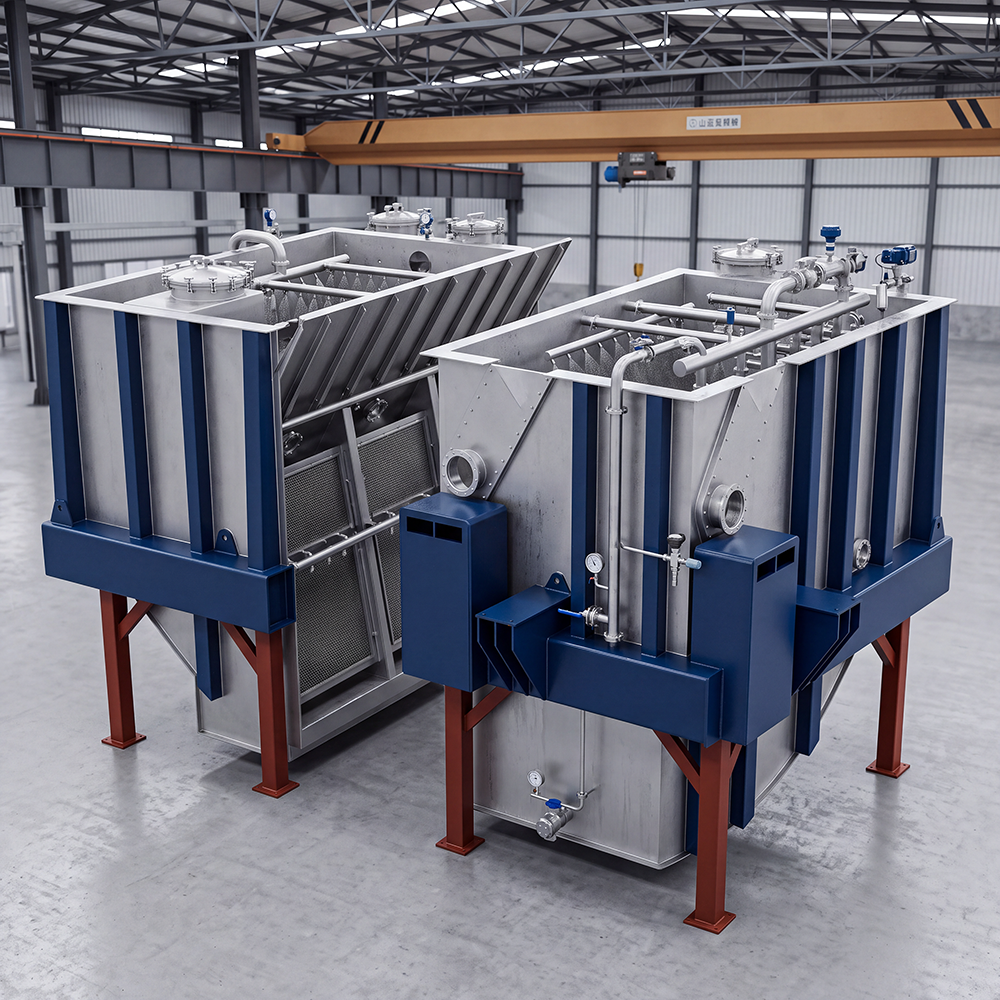
Washing & Purification
Remaining soluble components are removed from the cell wall structure
Mechanical Fibrillation
The purified material is subjected to controlled mechanical grinding to generate micron-scale platelets with exposed nano-fibrillated ends
DRYING & PACKAGING
The resulting material is dried, packaged, and prepared for shipment.
Why Root Vegetables ...
and Why Sugar Beets?
Root vegetables possess distinct parenchyma cell wall structures that differ significantly from wood fibre. These cell walls contain cellulose microfibrils embedded within a hemicellulose-pectin matrix. When portions of the pectin and hemicellulose are selectively removed, the cellulose microfibrils become partially liberated while remaining structurally integrated within the platelet. These liberated fibrils form the functional backbone of Curran®.
Sugar beets represent an optimal commercial feedstock due to:
- Approximately 294 million metric tons grown globally each year
- Significant generation of sugar beet pulp (approximately 15 million metric tons dry weight annually)
- Centralised and consistent pulp supply from sugar factories
- Extended processing seasons in regions such as Minnesota, where winter storage enables prolonged factory operations
- These characteristics provide scalability, logistical efficiency, and feedstock security


